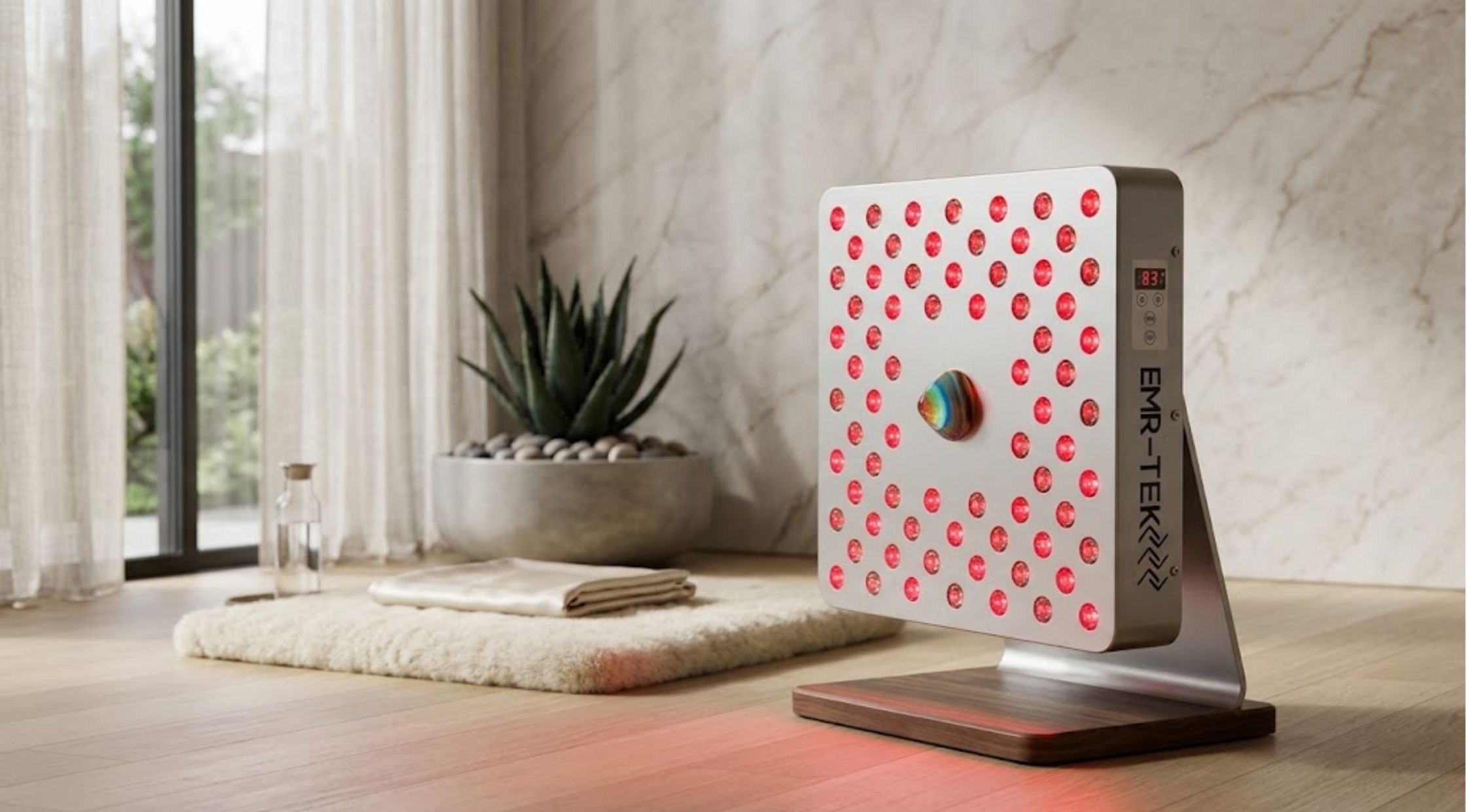
The selection of the appropriate UV and blue light products for everyday use.
Products that filter, or emit, specific wavelengths have quite different uses, as there are a variety of wavelengths of light. These differences should be taken into consideration when selecting UV lights, black lights, or blue light blocking glasses.
EMR-TEK's lighting and eyewear products are based on a light wavelength. It now stocks black light / UV products as well as blue light blocking glasses with varying levels of light filtering (emr-tek.com).
From the information provided, you can make an informed decision when looking at the technology of uv vs black light or a black light purple effect or any other eyewear options that you're looking at when researching rirool blue light blocking glasses.
Ultraviolet Spectrum & Black Light Mechanics
UV vs. Black Light: Understanding the Spectrum
The major difference between uv vs black light is that the black light is a form of UV light and not a separate category.
There are a few ranges of wavelengths in the ultraviolet radiation:
- UVA: Typically ranges from
 .
- UVB: Ranges from
 .
- UVC: Ranges from
 .
Black lights are a source of UVA radiation. They emit relatively low levels of visible light, but can make fluorescent materials emit light. According to EMR-TEK, black lights can be applied to fluorescent effects, art displays, entertainment, material inspection and forensic applications (emr-tek.com).
Other UV units can be tailored for various applications based on the UV wavelength. For instance, UVC is correlated with controlled disinfection uses, and UVA with fluorescence and inspection uses.
So beware that not all UV products are suitable for the same applications!
Demystifying Black Light Purple Glow
A guide to the understanding of the colors of Black Light Purple:
Black light purple is visible violet/purple light that is typically associated with black lights.
Black light emits mainly UVA, which is not visible to the human eye. The characteristic purple color is due to the limited amount of visible violet light that is transmitted (emr-tek.com).
It's not a regular purple or violet lamp.
The standard purple light is meant to produce a spectrum of visible wavelengths (light you can see directly), while the black light is meant to produce more UVA to activate the fluorescence.
The purer the glow, the more noticeable it will be. EMR-TEK also points out that near-visible UV light at  will be a more visible purple glow. This wavelength is also the preferred choice for black lighting effects in entertainment/creative use (emr-tek.com).
How to Select the Right Black Light Wavelength
The first step is to determine what your light is needed for.
A UVA black light might be suitable for fluorescent artwork, parties, displays, demonstrations, or for inspecting material.
Before purchasing, be sure to look at the wavelength:
- 365nm Wavelength: Typically yields a lower visible purple light output, focusing energy on optimal fluorescence.
- 395nm Wavelength: Produces a higher glow of visible violet light alongside UVA.
EMR-TEK's current educational content clarifies that the selection will influence the fluorescence and the visible light output (emr-tek.com).
Also take into account the size of the area to be lit, power supply, portability and use environment. Never use a black light instead of a product that is intended for another UV use.
Blue Light Filtering Eyewear: Lens Tiers & Transmission Metrics
Steps to Consider When Selecting Blue Light Blocking Glasses
The purpose of blue light blocking glasses is to block certain wavelengths instead of emitting light.
Currently, EMR-TEK is providing clear, yellow, orange and red lens options. It has different filter levels depending on the lens tier, as evident in its published transmission information (emr-tek.com).
Clear lenses give lighter filtering and little or no colour distortion. Yellow lenses offer more intense blue-light protection, while orange and red lenses are for more intense evening filtering.
The choice will depend on when you want to wear the glasses and if it is important to have a correct color perception.
Evaluating Rirool Blue Light Blocking Glasses vs. EMR-TEK Standards
When looking for rirool blue light blocking glasses, keep in mind that Rirool is not an EMR-TEK product, but an eyewear brand.
Transparent blue-light filtering glasses with UV400 protection and in 2-pair sets are currently being listed by Rirool. There are some listings which mention up to $39\%$ of blue light filtered out, but high visible-light transmission (walmart.com).
EMR-TEK, on the other hand, provides transmission data for its various lens grades. The blocked percentages of its current collection are:
- Yellow Lenses: $94.4\%$ blocked around
 .
- Orange Lenses: $98.8\%$ blocked around
 .
- Red Lenses: $99.6\%$ blocked around
 (emr-tek.com).
This is why it is important to consider actual wavelength and transmission data when assessing glasses rather than just by looking at the colour of the lenses.
Selecting the Appropriate Lens Tint for Daytime & Evening Use
While the color of the lens may provide you a general visual indication of the filter, it should not be the sole consideration when selecting the filter.
Clear lenses might be better if you don't want to see any color distortion in the day. Yellow lenses can offer greater filtering yet are still applicable to longer daytime screen time sessions.
Orange and red lenses offer more intense filtering, and may be more useful for evenings when you want to remove more blue and green wavelengths.
For the most part, EMR-TEK suggests its red level for the hour prior to sleep and recommends that the user refrain from driving while wearing the red lenses due to the impact on colour vision (emr-tek.com).
Safety Guidelines & Responsible Light Usage
How to Use Light Products Responsibly
Follow the directions on use of any product that uses UV.
Do not look directly into UV sources and heed the recommended safety precautions. The black-light used for fluorescence should not be used as a common light source.
When it comes to blue light glasses, keep in mind you are not treating an eye condition, you're just filtering light. If you have symptoms that don't go away, vision changes or other symptoms, see an eye-care professional.
Conclusion
Final Thoughts on UV & Blue Light Selection
With the knowledge of uv vs black light, you will be able to better decide which type of lighting will be more suitable for you.
Other UV products can be for a different range of wavelengths or applications, but a black light is a special source of UVA for fluorescence purposes. The slight amount of visible violet light emitted by many black-light sources is the cause of the black light purple glow (emr-tek.com).
When picking out rirool blue light blocking glasses, make sure you look at the actual level of blue light filtering, not just the tinted level.
EMR-TEK also offers lens transmission data that is published on the glasses it manufactures to help you easily compare the level of filtering and opt for the right one based on your lifestyle (emr-tek.com).