For decades, dressing for your body shape came with a long list of dos and don’ts—“avoid horizontal stripes,” “balance your proportions,” “only wear this if you're tall.” But here’s the truth: those “rules” often limit more than they liberate. Style should be about expression, not correction. This guide will help you embrace your body shape with confidence—not by following rigid rules, but by dressing in a way that feels authentic, flattering, and freeing.
Rethinking the Body Shape Conversation
Traditional fashion advice often categorizes people into fruit-like shapes: pear, apple, hourglass, rectangle. While these labels were meant to help, they can oversimplify bodies and create unnecessary restrictions.
Instead of viewing your body as something to fix, shift your focus to what you love about your shape. Whether that’s your shoulders, curves, legs, or waist—your goal is to enhance your comfort and confidence, not meet a “standard.”
Step 1: Know Your Silhouette—Then Break the Mold
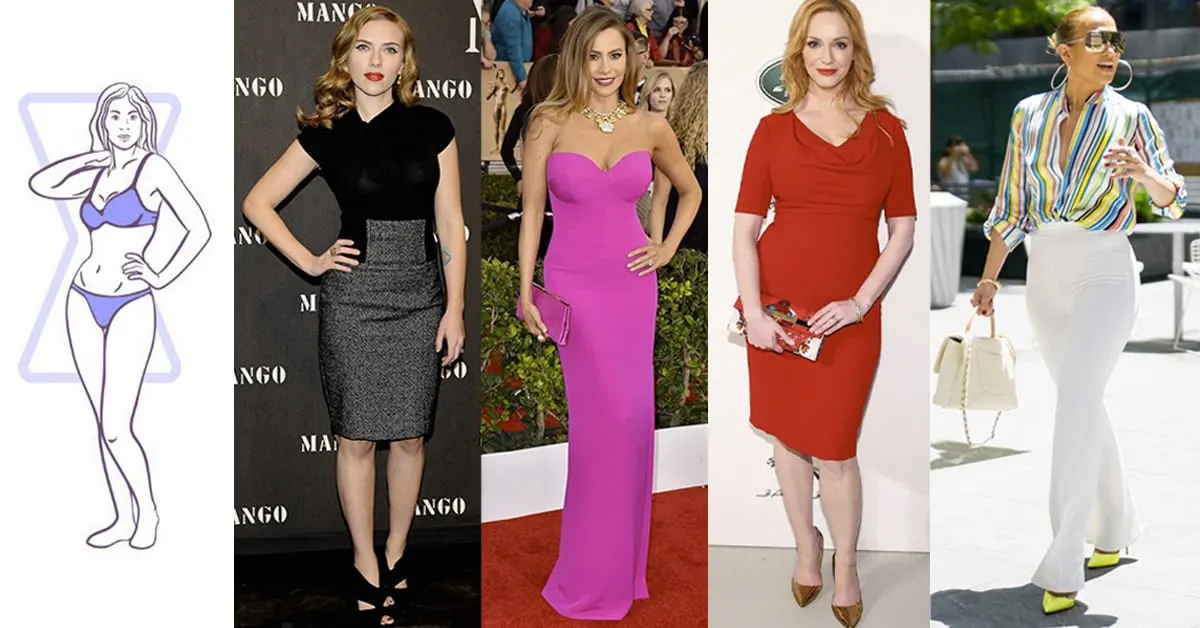
Understanding your general silhouette can still be useful—but think of it as a starting point, not a rulebook. Here's a simplified breakdown:
- Curvy: Your bust and hips are roughly the same size with a defined waist.
- Athletic/Rectangle: Your shoulders, bust, and hips are similar in width with less waist definition.
- Pear-Shaped: Your hips are wider than your shoulders.
- Inverted Triangle: Your shoulders or bust are broader than your hips.
- Round/Apple: You carry more volume in the midsection, often with slim legs.
Use this understanding to identify what you feel great in, not to box yourself in. Think of it as body awareness, not fashion law.
Step 2: Focus on Fit and Fabric Over Size
Size varies between brands and doesn’t define how something looks on you. Prioritize fit over the number on the tag. A well-fitted piece that skims your shape will always look more flattering than one you’re forcing into.
What to look for:
- Pieces that follow the natural lines of your body
- Fabrics with structure (like cotton or ponte) when you want to define your shape
- Stretchy, breathable materials (like jersey or ribbed knits) for comfort and fluidity
Tailoring can be your best friend—even a minor hem or nip at the waist can transform a garment.
Step 3: Highlight, Don’t Hide
Forget the “hide your flaws” approach. Dressing for your shape is about highlighting what you love, not concealing what you don’t.
Examples:
- Love your waist? Try belted dresses, high-rise jeans, or cropped blazers.
- Proud of your arms? Go sleeveless or wear shoulder-accentuating tops.
- Like your legs? Explore mini skirts, midi dresses with slits, or slim trousers.
This mindset shifts you from dressing to “look thinner” to dressing to feel empowered.
Step 4: Balance Proportions (If You Want To)
Rather than thinking of it as “fixing,” think of balancing your outfit visually. You can create harmony in your look by playing with volume and shape.
Examples of modern proportion play:
- Pair wide-leg pants with a fitted or tucked-in top.
- Wear an oversized blazer over a body-hugging dress.
- Combine a flowy skirt with a structured top.
If balance makes you feel great, use it. If asymmetry or volume-on-volume feels more “you,” go for it. There are no wrong answers.
Step 5: Use Color and Patterns Confidently
Old advice said darker colors are “slimming,” and bold prints should be worn sparingly. Toss that. Color and pattern are tools for self-expression—not hiding.
Tips for embracing them:
- Monochrome outfits create a sleek, cohesive look.
- Vertical patterns (like stripes) can elongate the body, but horizontal ones can too—if the fit works.
- Color blocking draws the eye strategically if you're highlighting or breaking up proportions.
Don’t fear bold colors or unique prints—wear them in cuts and silhouettes that make you feel good.
Step 6: Build a Wardrobe Around What You Love to Wear
Instead of filling your closet based on what your “body type” is supposed to wear, build around:
- Your lifestyle (commuting, working from home, social outings)
- Your comfort level (how much skin you want to show, fabric preferences)
- Your personal style (minimal, bold, romantic, edgy, vintage, etc.)
When your wardrobe aligns with how you want to feel—not just how you should look—it naturally becomes more flattering.
Step 7: Create Your Own Style Rules
If you want some guiding principles that actually serve you, here are a few mindset shifts to consider:
- Fit is everything. Oversized or fitted—it has to be intentional and flattering to you.
- Your body is not a trend. Don’t dress for what’s “in.” Dress for what’s timeless on you.
- Confidence > perfection. People remember how you carry yourself more than what you wear.
- Comfort leads to confidence. If it feels right, it’ll look right.
- Flattering is subjective. What flatters you is what makes you feel powerful, not what a chart says.
Key Wardrobe Staples That Work on Any Body
Here are a few universal pieces that can be styled across body shapes:
- Wrap dresses: Adjustable and curve-skimming
- High-rise trousers: Great for lengthening legs and defining waistlines
- Structured blazers: Instantly polish and balance any outfit
- A-line skirts: Work for both straight and curvy frames
- Fitted knits: Hug the body comfortably without clinging too tight
- Jumpsuits with adjustable waists: One-piece ease with shape definition
Final Thoughts: Dress for You, Not the Rulebook
There’s freedom in dressing without rigid rules—freedom to experiment, to express, and to feel comfortable in your skin. Your body isn’t a problem to solve; it’s the foundation for incredible style.
So whether you’re tall, petite, curvy, athletic, or anything in between, the best way to dress for your shape is to dress for yourself. Focus on feeling good, looking polished, and embracing your personal style—and the rest will follow naturally.
Would you like a printable guide or mini lookbook for each silhouette?