A flaky, itchy scalp can be frustrating enough on its own. But when the flakes keep returning, your scalp feels irritated, and regular shampoos don't seem to make much difference, you may wonder if you're dealing with more than ordinary dryness.
For people with seborrheic dermatitis, finding the right Seborrheic Dermatitis Treatment for Scalp often means balancing effective care with products that don't further irritate already-sensitive skin.
The good news? A thoughtful routine can make scalp care much easier. The key is understanding what may be triggering your symptoms, choosing suitable products, and knowing when professional advice is appropriate.
Why Does Seborrheic Dermatitis Keep Coming Back?
Seborrheic dermatitis is a common inflammatory skin condition that frequently affects oily areas, including the scalp. Symptoms can include flaking, itching, scaling, and irritation.
One reason it can be difficult to manage is that it isn't simply a matter of having a "dry scalp."
The skin's oil production, its interaction with naturally occurring microorganisms such as Malassezia, and the body's inflammatory response can all play a role. This means aggressively scrubbing away flakes or repeatedly using harsh products may not address the underlying problem.
Common Scalp Struggles
If your scalp is prone to seborrheic dermatitis, you may recognize some of these problems:
- White or yellowish flakes appearing shortly after washing
- Persistent scalp itching
- Redness or visible irritation
- A scalp that feels oily in some areas but dry or uncomfortable in others
- Flare-ups that seem to disappear and then return
- Difficulty finding products that don't leave your scalp feeling worse
These issues can make choosing Seborrheic Dermatitis Skincare surprisingly complicated.
What Can Trigger Scalp Flare-Ups?
There isn't one universal trigger. The American Academy of Dermatology notes that stress, cold and dry weather, hot showers, sweat, harsh products, and certain chemicals can contribute to flare-ups for some people. Individual triggers vary.
That makes your daily routine particularly important.
For example, constantly switching between strong shampoos and styling products may make it harder to understand what your scalp actually tolerates. A simpler routine can make it easier to identify patterns.
Another important consideration is that persistent flaking isn't always seborrheic dermatitis. Dandruff, psoriasis, eczema, and certain scalp infections can produce similar-looking symptoms.
If your symptoms are severe, persistent, painful, spreading, or not responding to your routine, a dermatologist can help determine what's actually happening.
How to Build Better Seborrheic Dermatitis Skincare
You don't necessarily need a complicated shelf full of products. In fact, keeping things simple can be helpful.
1. Be Gentle When Washing
Avoid aggressively scratching or scrubbing your scalp to remove flakes. The AAD recommends gentle cleansing and avoiding products that irritate sensitive skin.
Use the shampoo recommended for your situation and follow its directions carefully.
For some people with scalp seborrheic dermatitis, medicated dandruff shampoos can be an important part of treatment. Dermatologists may recommend ingredients that target different aspects of the condition, and the appropriate frequency depends on factors such as hair type and individual needs.
2. Pay Attention to What You Apply Between Washes
Shampoo isn't the only thing touching your scalp.
Hair oils, styling products, conditioners, fragrances, and other leave-on products can affect how comfortable your scalp feels. The AAD recommends alcohol-free skin and hair-care products for people prone to seborrheic dermatitis because certain ingredients can contribute to irritation.
3. Don't Treat Every Flake as "Dry Skin"
This is an easy mistake to make.
If you simply keep adding heavy moisturizers or oils because your scalp looks flaky, you may not be addressing the reason for the flaking. Seborrheic dermatitis involves more than simple lack of moisture.
Good Seborrheic Dermatitis Skincare should therefore focus on keeping the scalp comfortable while avoiding unnecessary irritation.
When a Targeted Scalp Product Can Help
Once your basic routine is under control, a targeted leave-on product can be a convenient addition for people who want something specifically designed for irritated, flaky scalp areas.
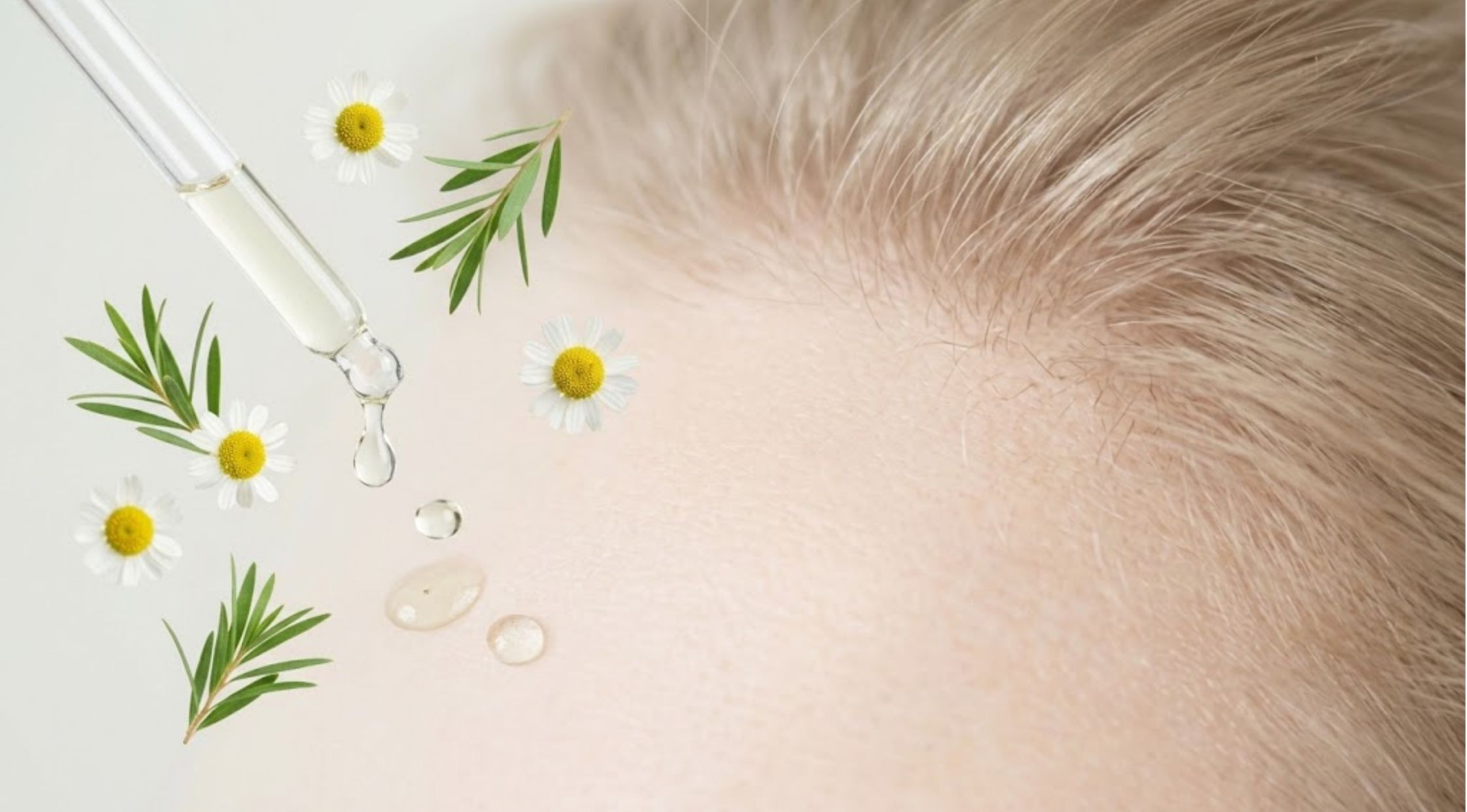
Seb Skincare's Natural Calming Scalp Serum is formulated for scalps prone to seborrheic dermatitis, dandruff, and psoriasis. The brand describes it as a microbiome-focused formula containing ingredients including MCT oil, chamomile, and tea tree.
Its application is also straightforward: the brand recommends applying 2–3 drops directly to affected scalp areas, gently massaging them in, and leaving the serum on overnight.
This type of targeted approach can be more practical than applying a large number of products across the entire scalp.
What Should You Look for in Seborrheic Dermatitis Skincare?
When comparing products, consider more than marketing claims.
Look for Clear Ingredient Information
You should be able to see exactly what you're putting on your scalp. This makes it easier to identify ingredients you personally tolerate or avoid.
Choose Products Designed for Sensitive Skin
A product developed specifically for seborrheic dermatitis-prone skin may make more sense than randomly choosing a general hair oil or moisturizer.
Consider How Easy It Is to Use
Even a well-formulated product isn't useful if you dislike applying it.
A simple leave-on serum that fits naturally into your evening routine may be easier to maintain than a complicated multi-step system.
Seb Skincare positions its Natural Calming Serum specifically for both skin and scalp prone to seborrheic dermatitis, dandruff, and psoriasis, making it an option for shoppers looking for targeted care rather than a generic scalp product.
The Benefits of Upgrading Your Routine
Improving your Seborrheic Dermatitis Skincare routine isn't necessarily about buying more products. It's about choosing products with a clear purpose.
A more targeted routine can help you:
- Reduce unnecessary product switching
- Identify potential triggers more easily
- Give your scalp gentler everyday care
- Add targeted support between washes
- Make your routine easier to maintain
- Avoid treating every episode of flaking as ordinary dryness
The goal is a routine that feels manageable rather than another daily battle.
For someone looking for a dedicated leave-on option, Seb Skincare's scalp serum offers a targeted format that can complement a broader scalp-care routine. It should still be viewed as a cosmetic/supportive product rather than a substitute for medically indicated treatment.
Choose Scalp Care With a Long-Term Mindset
Finding the right Seborrheic Dermatitis Treatment for Scalp isn't about discovering one magical product. It starts with understanding your symptoms, identifying possible triggers, keeping your routine gentle, and using appropriate treatments consistently.
For mild or recurring symptoms, thoughtful Seborrheic Dermatitis Skincare can make everyday management more practical. But if your scalp condition is severe, persistent, spreading, or difficult to identify, professional evaluation is important.
If you're looking to simplify your routine with a targeted product, Seb Skincare's Natural Calming Scalp Serum is one option worth exploring. The smarter approach is to compare ingredients, understand how a product fits into your routine, and choose care that works with your scalp rather than constantly fighting it.